

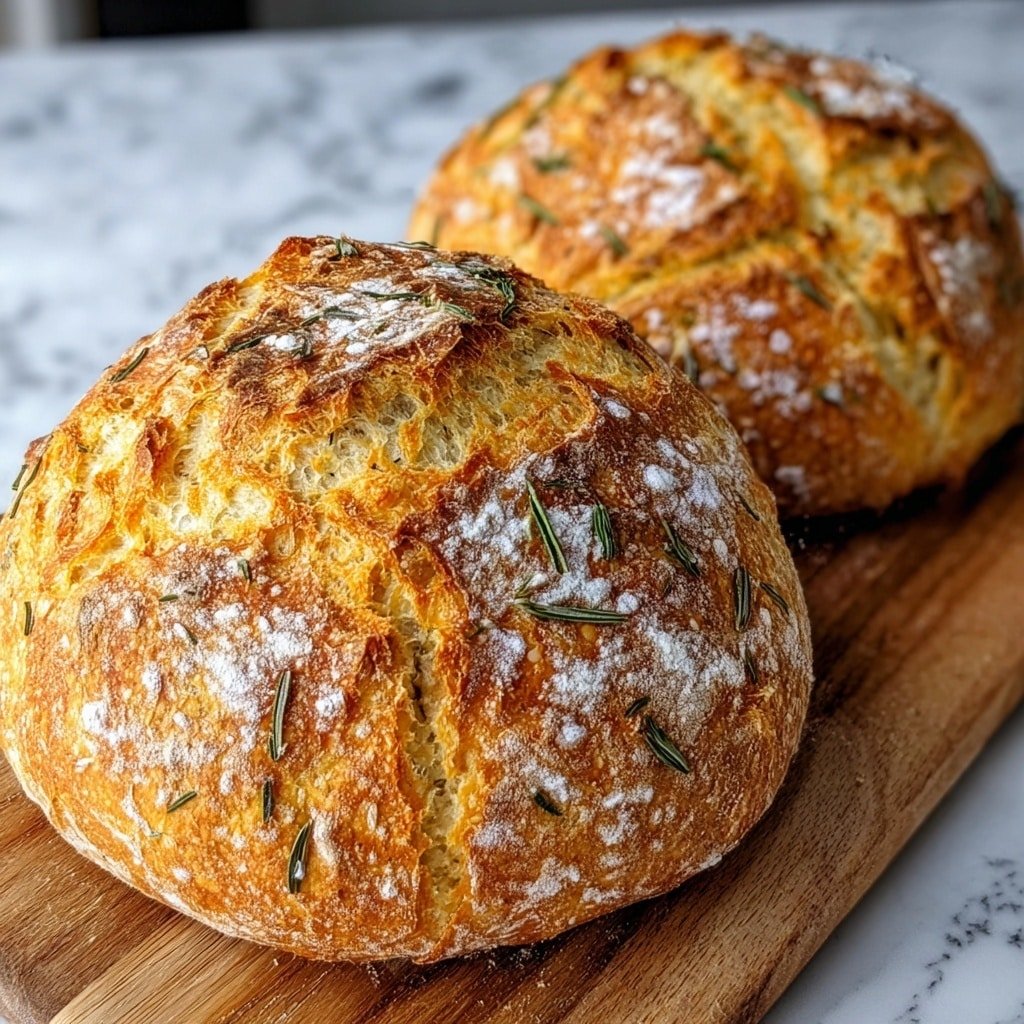
There’s something truly magical about pulling a warm loaf of homemade bread from the oven—the way the crust crackles as you slice into it, revealing that pillowy soft inside. I still remember the first time I made this Easy Italian Bread Recipe with Crispy Crust and Soft Inner Texture Recipe for a family dinner. My kitchen was instantly filled with the comforting aroma of baking bread, and the joy on my loved ones’ faces made every step worthwhile. This bread quickly became my go-to when I want something fresh and simple, yet impressive.
What makes this recipe stand out is just how approachable it is, yet you get that authentic Italian bread experience with minimal fuss. The crust comes out perfectly crisp, thanks to that steam trick in the oven, while the inside stays light and tender without being gummy. Plus, the golden color and subtle olive oil flavor give this loaf an inviting rustic charm. Whether you’re serving it alongside soup, making sandwiches, or simply dipping it in olive oil and balsamic, the texture and flavor will never disappoint.
Don’t worry if you’ve never baked bread before—I’ll walk you through each step with tips to help you succeed on your first try. From proofing the yeast just right to kneading techniques and baking secrets, this Easy Italian Bread Recipe with Crispy Crust and Soft Inner Texture Recipe is perfect for beginners and experienced bakers alike. Let’s get that oven heating and your kitchen smelling amazing!
Why This Recipe Shines
- Flavor Harmony: The subtle olive oil enriches the dough, working perfectly with the salty crust to create a balanced flavor.
- Easy Assembly: Minimal ingredients and straightforward steps mean you’ll have fresh bread with less fuss.
- Texture Play: The crispy outer shell contrasts beautifully with the soft, airy crumb inside.
- Showstopper Finish: The glossy golden crust and steam-baked aroma make it a centerpiece on any table.
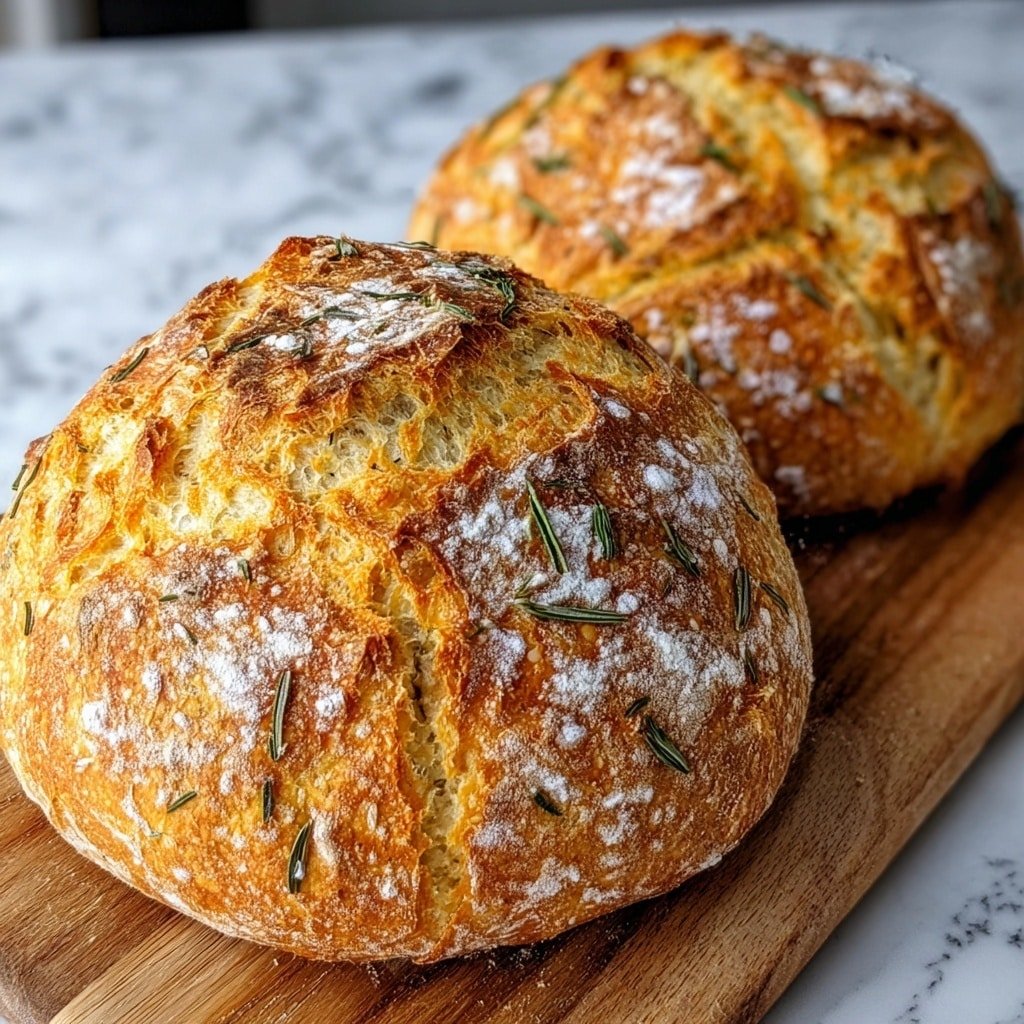
Ingredients You’ll Be Working With
Get ready to measure carefully so your bread bakes up just right. While the full quantities are in the recipe card below, here’s a quick look at what you’ll need and why each ingredient matters.
- All-purpose flour: The hearty base of the dough; measuring by weight ensures consistent texture.
- Active dry yeast: Your bread’s leavening agent—fresh yeast helps the dough rise beautifully.
- Warm water: Activates the yeast; keep it around 110°F to avoid killing the yeast.
- Salt: Enhances flavor and strengthens the dough’s gluten structure.
- Olive oil: Adds richness, improves crumb softness, and gives that subtle Mediterranean aroma.
If you don’t have all-purpose flour on hand, bread flour also works well for a chewier texture. And if you’re short on olive oil, a neutral oil like vegetable or canola can be swapped in.
Chef’s Note
You’ll find the complete list of ingredients with exact measurements in the printable recipe card at the bottom of this post.
Tools You’ll Need
- Mixing bowl: Choose a large one to handle rising dough comfortably.
- Wooden spoon or dough whisk: For mixing the initial dough without overworking.
- Kitchen towel or plastic wrap: To cover the dough while it rises, keeping moisture in.
- Baking sheet lined with parchment: Provides a non-stick surface and even baking.
- Sharp knife or lame: Essential for scoring the dough to control expansion during baking.
- Oven-safe pan for steam: Creates the steam environment that gives the crust its crispness.
- Instant-read thermometer (optional): Helps monitor dough and bread temperatures precisely.
How to Make Easy Italian Bread Recipe with Crispy Crust and Soft Inner Texture Recipe
Let’s get started! This recipe involves a couple of rises and kneading, but don’t let that intimidate you—it’s easier than it sounds and oh-so rewarding.
- Proof the yeast: Pour warm water (about 110°F/43°C) into a mixing bowl. Sprinkle active dry yeast evenly on top and add a tiny pinch of sugar if you want to help it along. Stir gently and let it sit for 5 minutes until foamy. If it doesn’t foam, your yeast may be inactive—fresh yeast is key.
- Mix the dough: Add the flour and salt to the yeast mixture. Drizzle in the olive oil. Stir with a wooden spoon or dough whisk until you get a rough, shaggy dough. If it feels too dry, add small spoonfuls of water; if too sticky, sprinkle a little flour.
- Knead the dough: Lightly flour your work surface and knead the dough by hand for about 10 minutes. You’re aiming for a smooth, elastic texture that springs back when you poke it. This step develops the gluten that gives bread its structure.
- First rise: Lightly oil a clean bowl and place your dough inside, turning it once so the whole surface is coated in oil. Cover it with a kitchen towel or plastic wrap. Put the bowl in a warm spot and let the dough rise until it doubles in size—about 1 to 1.5 hours.
- Shape and score: Gently punch down the risen dough and shape it into a round or oval loaf. Place it on a parchment-lined baking sheet. Using a sharp knife, score 3-4 diagonal slashes on the top. Scoring helps control how the bread expands in the oven.
- Bake with steam: Preheat your oven to 450°F (232°C). Place a pan filled with water on the bottom rack to create steam—this is what makes the crust beautifully crispy. Bake the bread on the middle rack for 30-35 minutes or until golden brown. Tap the bottom of the loaf; a hollow sound means it’s perfectly baked.
- Cool before slicing: Let the bread cool on a wire rack for at least 30 minutes. Cutting too early can make the crumb gummy and dense.
Kitchen Wisdom
- Tip 1: Use filtered or bottled water to avoid chlorine which can inhibit yeast activity.
- Tip 2: Let your dough rise in a warm (not hot) place, like near a sunny window or warmed oven.
- Tip 3: Don’t skip the steam in the oven—it’s crucial for that signature crust.
- Tip 4: Score the bread right before putting it in the oven to ensure clean cuts.
How to Serve
Flavor Boosters
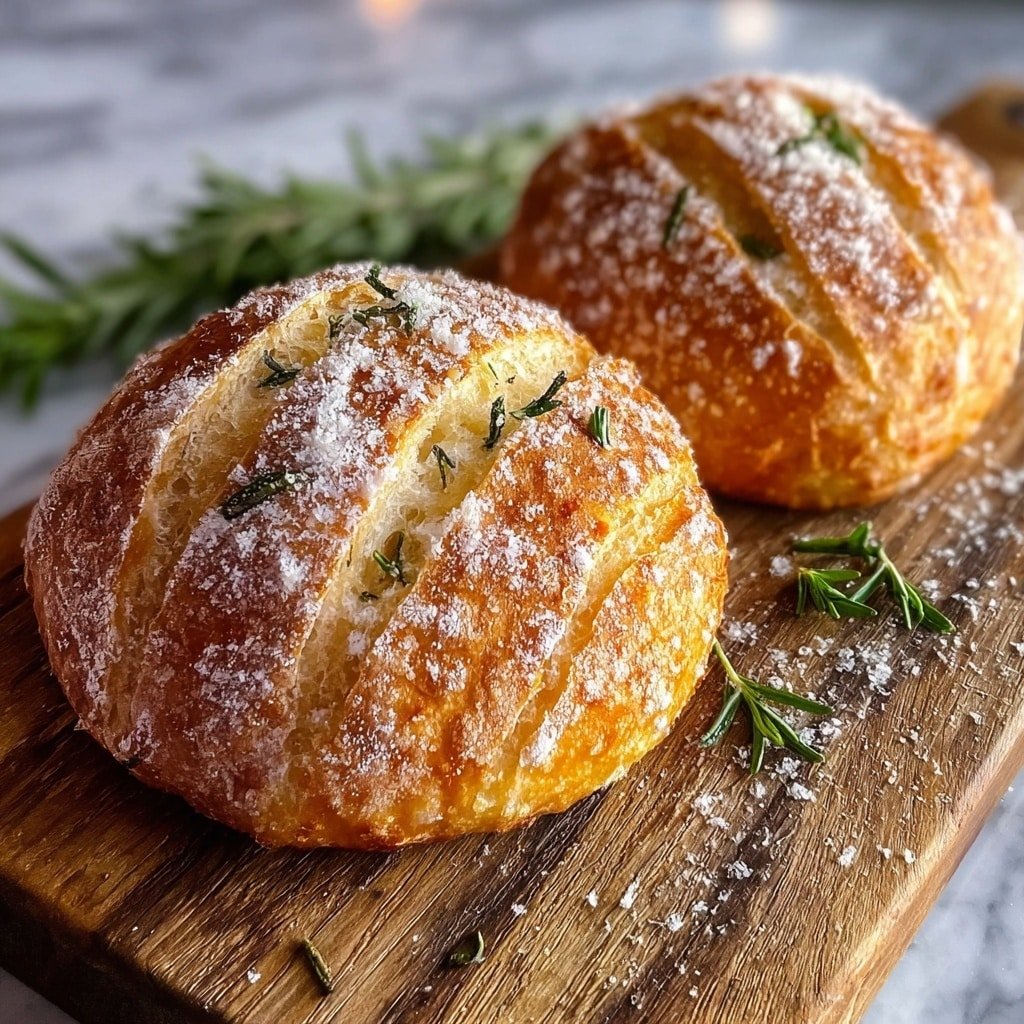
Try brushing the crust with a little olive oil or melted butter right after baking for shine and richness. Sprinkle some flaky sea salt or dried herbs like rosemary for an extra punch. This bread also loves to be dipped in garlic-infused olive oil or paired with fresh mozzarella and ripe tomatoes.
Perfect Pairings
This Italian bread is a great match for hearty soups and stews—think minestrone or tomato basil. Serve it alongside antipasti platters with olives, cured meats, and cheeses. For drinks, a crisp white wine or sparkling water with lemon complements the bread’s flavor without overpowering it.
Presentation Touches
For gatherings, slice the loaf into thick pieces and serve in a rustic basket lined with a linen napkin. This makes it easy for guests to help themselves. You can gift freshly baked loaves wrapped in parchment and tied with kitchen twine for a thoughtful homemade present. For special dinners, garnish the bread board with fresh herbs and small bowls of extra virgin olive oil and balsamic vinegar.
Variations & Easy Swaps
- Use bread flour instead of all-purpose for a chewier texture.
- Add 1 teaspoon sugar or honey to the yeast proofing water for a slightly sweeter loaf.
- Incorporate fresh herbs (rosemary, thyme) into the dough for savory notes.
- Replace olive oil with melted butter for a richer flavor.
- Try whole wheat flour for a heartier, nuttier loaf—start with half wheat, half all-purpose.
- Use instant yeast instead of active dry yeast; just mix it with flour before adding water.
Make-Ahead, Storage & Reheating
- Store bread at room temperature wrapped in a clean kitchen towel for up to 2 days.
- For longer storage, freeze whole or sliced bread in a sealed plastic bag for up to 3 months.
- Reheat slices in a toaster or oven at 350°F for 5-7 minutes to refresh the crust.
- Avoid refrigerating bread—it dries out the crumb and makes it stale faster.
FAQs
- Can I use instant yeast instead of active dry yeast? Yes! Just mix instant yeast directly with the flour and skip the proofing step.
- My dough didn’t rise. What went wrong? Either the yeast was old or the water was too hot/cold. Always check yeast freshness and keep water around 110°F.
- How do I know when the bread is done baking? It should be golden brown and sound hollow when tapped on the bottom. You can also use a thermometer; it should read about 200°F inside.
- Can I add flavorings like garlic or cheese? Absolutely! Fold in minced garlic or grated cheese into the dough after the first rise for tasty variations.
- What’s the best way to store leftover bread? Wrap it loosely in a towel for short term or freeze in airtight bags if keeping longer.
Easy Italian Bread Recipe with Crispy Crust and Soft Inner Texture Recipe

This easy Italian bread recipe yields a homemade loaf with a crispy crust and a soft, airy interior. Perfect for sandwiches, dipping into soups, or enjoying simply with olive oil and balsamic vinegar, this bread combines the rustic flavors of Italy with a straightforward preparation method that even beginners can master.
- Prep Time: 22 minutes
- Cook Time: 30-35 minutes
- Total Time: 1 hour 52 minutes to 1 hour 57 minutes
- Yield: 1 large loaf (about 8-10 slices)
- Category: Bread
- Method: Baking
- Cuisine: Italian
Ingredients
Dry Ingredients
- 4 cups (480g) all-purpose flour
- 2 ¼ teaspoons (1 packet) active dry yeast
- 2 teaspoons salt
Wet Ingredients
- 1 ½ cups (360ml) warm water (about 110°F / 43°C)
- 2 tablespoons olive oil
Instructions
- Proof the yeast: Pour 1 ½ cups of warm water (110°F / 43°C) into a mixing bowl. Sprinkle the active dry yeast over the surface, add a pinch of sugar if desired to help activate the yeast, and stir gently. Let sit for 5 minutes until the mixture becomes foamy, indicating the yeast is active.
- Mix the dough: Add 4 cups (480g) of all-purpose flour and 2 teaspoons of salt to the yeast water. Drizzle in 2 tablespoons of olive oil. Stir the ingredients together using a wooden spoon or dough whisk until a shaggy dough forms. Adjust consistency with a little more water or flour if necessary.
- Knead the dough: Lightly flour a clean countertop and knead the dough for about 10 minutes until it is smooth, elastic, and springs back when poked, which indicates proper gluten development.
- First rise: Lightly oil a mixing bowl and place the dough inside, turning it once to ensure it is coated with oil. Cover the bowl with a clean kitchen towel or plastic wrap, and allow the dough to rise in a warm, draft-free area until it doubles in size, about 1 to 1.5 hours.
- Shape, score, and bake: Punch down the risen dough to release air bubbles, then shape it into a round or oval loaf. Place it on a parchment-lined baking sheet. Use a sharp knife or lame to score 3-4 diagonal slashes across the top of the dough. Preheat the oven to 450°F (232°C) and place a pan of water on the bottom rack to create steam, which helps form a crisp crust. Bake the loaf for 30-35 minutes until the crust is golden brown and crusty. To check doneness, tap the bottom of the loaf – it should sound hollow.
Notes
- Use filtered water to avoid chlorine, which can inhibit yeast activity.
- Measure flour by weight (480g) for best consistency in dough texture.
- Create steam in the oven by placing a pan of water on the bottom rack, which promotes a crispy crust.
- Allow the bread to cool completely before slicing to prevent a gummy texture.
- Use a very sharp blade or lame to score the dough accurately for proper expansion during baking.
- Avoid over-flouring the surface during kneading to maintain dough hydration.