
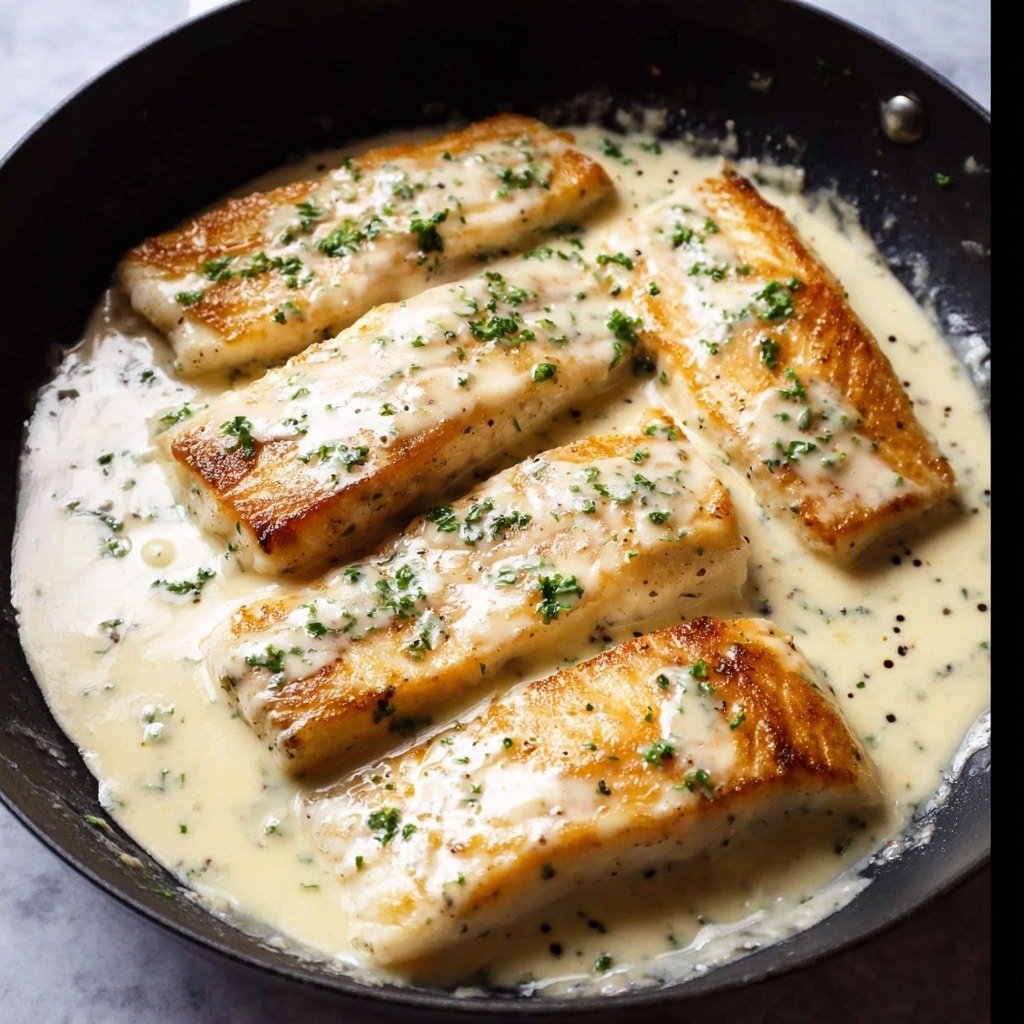
There’s something undeniably special about a cozy night in when I whip up my Fish with White Wine Sauce Recipe. I remember the first time I made it for friends – they couldn’t get over how the delicate white fish paired with that silky, glossy sauce felt like a restaurant-quality meal, but without any fuss or stress. The moment you add those cold butter cubes at the end, that sauce transforms, and suddenly it’s not just dinner, it’s an experience. It’s perfect for impressing loved ones or just treating yourself to something lovely after a long day.
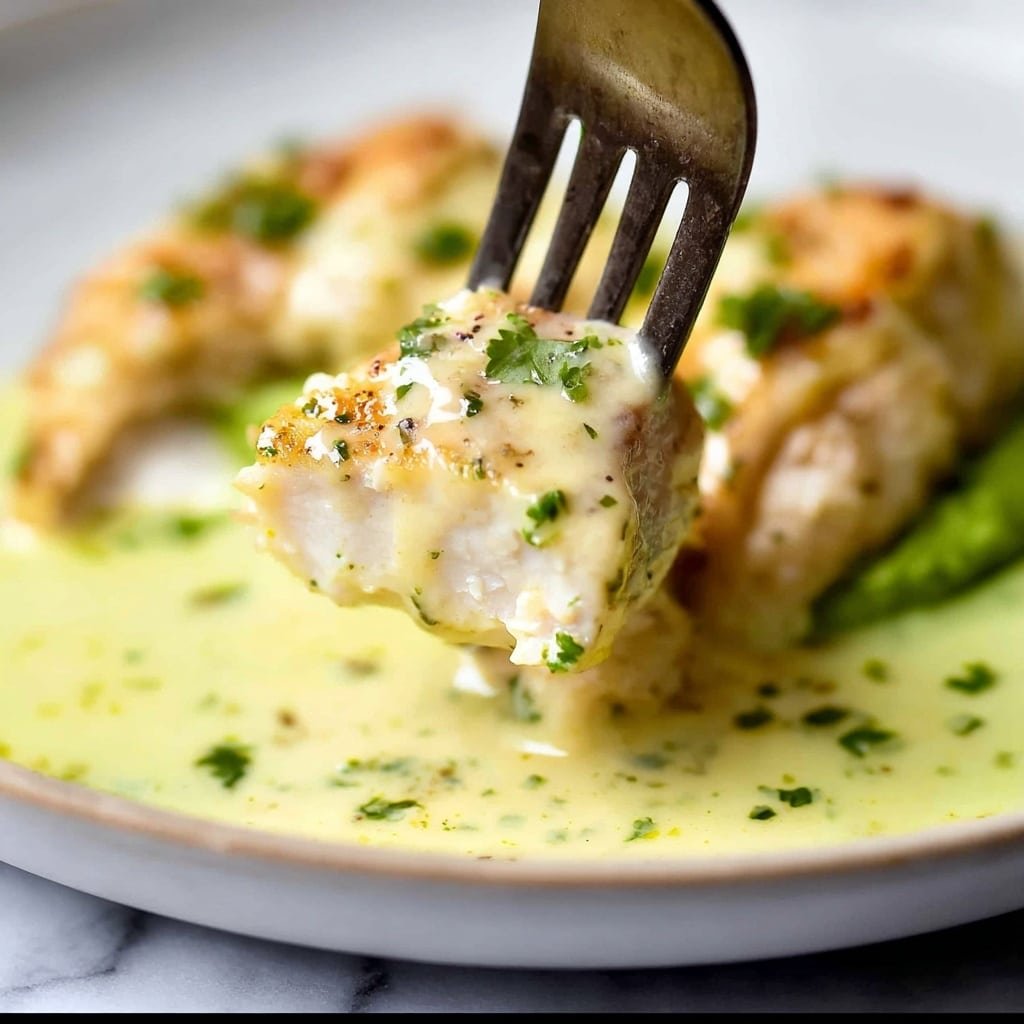
This Fish with White Wine Sauce Recipe is truly a gem for anyone who loves elegant flavors without complicated techniques. You get the bright, slightly tangy aroma of white wine mingling with the rich creaminess that coats each bite perfectly. The fish stays tender and flaky thanks to careful pan-searing, and the sauce’s glossy finish makes it look as good as it tastes. It’s versatile enough for most white fish varieties, so you can adapt it to what’s fresh or on sale. Plus, it’s quick enough for a weeknight but refined enough for a special occasion.
If you’re new to cooking fish with a wine sauce, don’t worry—I’ll walk you through every step so you feel confident and end up with a great result. It’s all about layering flavors and timing your sauce just right. By the time you’re done, you’ll even know the pro trick behind that silky sauce finish. Ready to dive in? Let’s get cooking!
Why This Recipe Shines
- Flavor Harmony: Balances bright acidity of white wine with creamy, buttery richness for a perfect flavor duet.
- Easy Assembly: Minimal ingredients and quick steps make it beginner-friendly yet impressive.
- Texture Play: Tender pan-seared fish topped with a silky, glossy sauce that feels luxurious.
- Showstopper Finish: The cold butter cubes technique (monter au beurre) gives that professional, silky shine.
Ingredients You’ll Be Working With
While the exact measurements are laid out clearly in the printable recipe card below, here’s a quick glance at the key ingredients and why we use them. Measuring carefully, especially for the wine and cream, makes a big difference in the sauce’s balance.
- White fish fillets: Choose firm, mild-flavored fish like snapper or cod for tender, flaky results.
- Salt and pepper: Seasoning basics to enhance natural fish flavors.
- Extra virgin olive oil: For a light, healthy sear without overpowering taste.
- Eschalot (shallot): Adds a subtle sweet onion flavor essential for depth in the sauce.
- Dry white wine: Chardonnay works beautifully here; pick one that’s not too sweet or too woody.
- Lemon juice and white wine vinegar: Bring a fresh tang and brightness to the sauce.
- Salt, pepper, and pinch of sugar: Balances the acidity and rounds out flavors.
- Thickened/heavy cream: Provides luscious texture and body.
- Unsalted butter (cold, cubed): The secret to that glossy finish using monter au beurre technique.
- Optional fresh herbs: Parsley or chives for a fresh green garnish.
If you’re out of eschalots, a small amount of finely chopped onion can work, but eschalots bring a milder sweetness. For non-alcoholic versions, chicken broth can replace wine nicely without losing flavor. Butter types matter too: using unsalted butter helps control saltiness.
Chef’s Note
You’ll find the complete list of ingredients with exact measurements in the printable recipe card at the bottom of this post.
Tools You’ll Need
- Non-stick skillet: Essential for even pan searing without fish sticking or breaking.
- Kitchen thermometer: Helps check perfect fish doneness at 55°C/131°F for flaky texture.
- Wooden spoon: Perfect for gently incorporating cold butter without breaking sauce.
- Fine sieve (optional): For straining sauce to remove shallots if you prefer a silky smooth finish.
- Baking rack and tray: To keep fish warm and prevent sogginess while making sauce.
How to Make Fish with White Wine Sauce Recipe
Let’s jump right into cooking. This recipe is all about simple, smart steps to build bold flavor — pan-searing the fish first, then creating the silky sauce from the wonderful browned bits left behind. Follow along and you’ll nail that perfect restaurant-style result.
- Prep & preheat: Preheat your oven to 50°C (120°F) and set a rack over a tray. This is your holding spot to keep cooked fish warm while making the sauce.
- Season the fish: Lightly sprinkle both sides with salt and pepper to enhance the fish’s natural flavors without overpowering them.
- Pan-sear the fish: Heat olive oil in a large non-stick skillet over medium-high heat. Cook fish in batches, about 2 minutes per side, until the surface is golden and internal temperature reaches 55°C (131°F). Fish should be opaque and easily flake apart. Adjust heat or time if your fillets are thinner or thicker.
- Keep fish warm: Transfer cooked fish to the prepared rack and place in the oven to stay warm — this keeps texture perfect and prevents overcooking.
- Start the sauce: Pour out excess oil from the skillet but don’t wipe the pan — those browned bits (fond) add amazing flavor.
- Sauté eschalots & reduce wine: Add finely chopped eschalot, white wine, lemon juice, white wine vinegar, salt, pepper, and a pinch of sugar to the pan. Bring to a simmer on medium-high and let it reduce by half — about 3 minutes — concentrating the flavors.
- Add cream & simmer: Stir in heavy cream and simmer gently for 2 minutes, allowing the sauce to thicken and develop creaminess.
- Monter au beurre (finish with butter): Lower heat to low. Add cold butter cubes one at a time, stirring gently with a wooden spoon until fully melted and incorporated. This gives the sauce its signature glossy, satiny texture. If desired, strain the sauce to remove eschalots for an ultra-smooth finish.
- Warm fish in sauce: Return the fish fillets back into the pan. Spoon sauce over them and let them sit for 30 seconds to soak up flavor and warm through.
- Serve: Plate the fish and spoon extra sauce on top, garnishing with chopped parsley or chives if you like. Enjoy immediately!
Kitchen Wisdom
- Tip 1: Use a kitchen thermometer to avoid overcooking fish — 55°C (131°F) is perfect for moist, flaky results.
- Tip 2: Don’t skip the cold butter step; it’s what transforms the sauce from ordinary to restaurant-quality satin sheen.
- Tip 3: Keep your pan hot but not smoking when searing to get a nice golden crust without drying the fish.
- Tip 4: Straining the sauce is optional but recommended if you prefer a smoother texture without the eschalot bits.
How to Serve
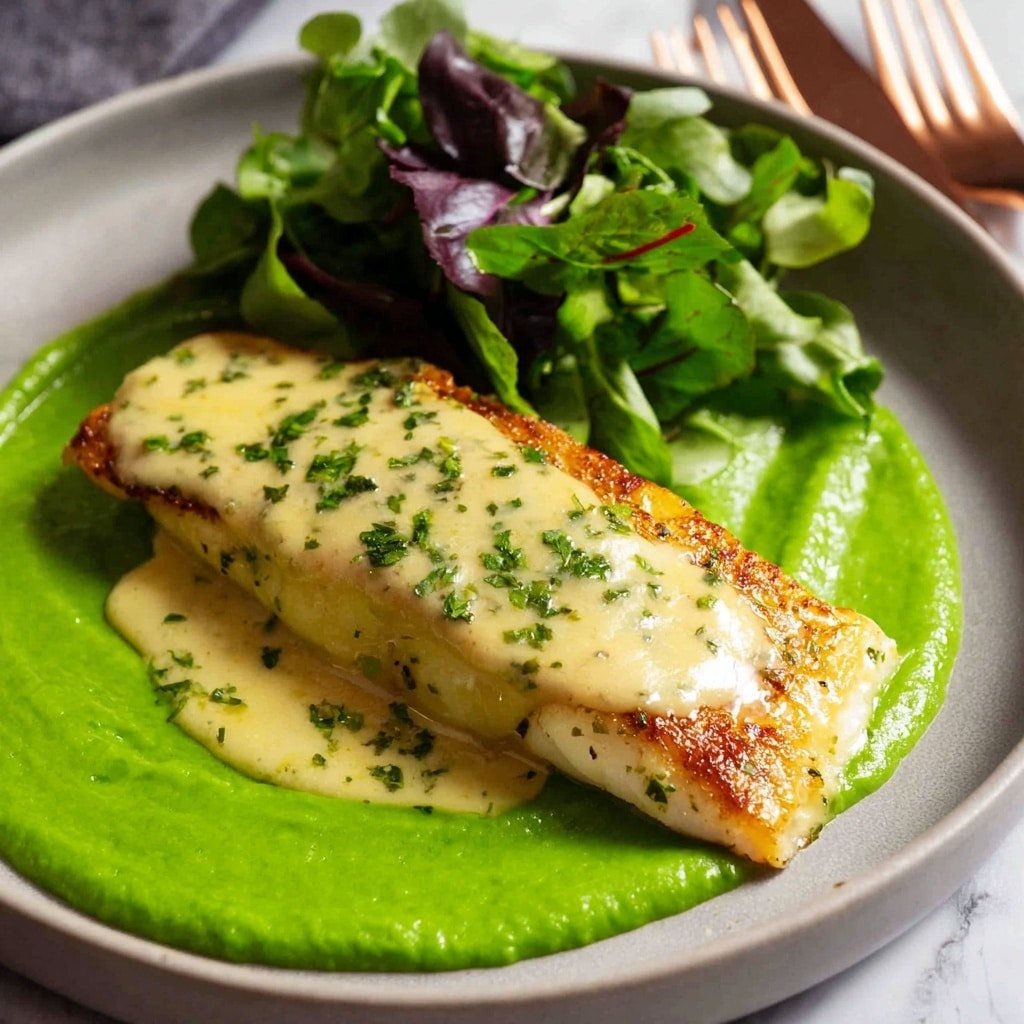
Flavor Boosters
Squeeze a little extra lemon over the plated fish for a fresh zing, or sprinkle with chopped fresh herbs like parsley, chives, or tarragon to complement the wine sauce’s brightness. A light dusting of lemon zest can also brighten up the creamy richness without overpowering.
Perfect Pairings
This Fish with White Wine Sauce Recipe shines with simple, clean sides like steamed green beans, sautéed spinach, or a silky pea puree for color and sweetness. For drinks, a chilled glass of the same dry white wine you cooked with (think Chardonnay or Sauvignon Blanc) will tie everything together beautifully.
Presentation Touches
For dinner parties, portion the fish into individual shallow bowls and carefully ladle warm sauce on top, finishing with a sprinkle of fresh herbs. If you want to add a pop of color, scatter a few edible flowers or microgreens. Leftovers reheat beautifully gently in a pan or microwave covered, though fresh is always best!
Variations & Easy Swaps
- Use coconut cream in place of heavy cream for a dairy-free twist with a subtle tropical note.
- Swap white wine with a dry vermouth or a light apple cider for a flavor change without losing acidity.
- Try salmon or trout for a richer taste, adjusting cook time slightly for thickness.
- Add a touch of garlic alongside eschalots for more depth in the sauce.
- Finish sauce with chopped capers or a sprinkle of toasted almonds for a texture contrast.
- For a lighter sauce, use half cream and half chicken broth; just watch reduce time carefully.
Make-Ahead, Storage & Reheating
- Cook fish and sauce separately, then store both airtight in the fridge for up to 2 days.
- Reheat sauce gently over low heat, stirring in a little cream or butter if needed to restore silkiness.
- Warm fish in a low oven (about 80-90°C /175-195°F) wrapped in foil to avoid drying out.
- Avoid freezing this dish; the texture changes in fish and sauce after thawing.
FAQs
- Can I use skin-on fish fillets for this recipe? Yes, but make sure to get a nice sear on the skin side first to keep it crispy, then flip carefully to cook through. Adjust time if fillets are thicker.
- What if I don’t have eschalots? Can I use onions? Small amounts of finely chopped mild onion can substitute, but eschalots add a sweeter, subtler flavor that really enhances the sauce.
- Is it okay to skip the butter at the end? You could, but the sauce won’t have that signature shiny, satiny richness. The cold butter melt is the secret to a restaurant-quality finish.
- What’s the best white wine to use? Choose a dry, medium-bodied white wine like Chardonnay or Sauvignon Blanc. Avoid very sweet or heavily oaked wines as they can overpower the sauce.
- Can I make this recipe gluten-free? Absolutely! This recipe is naturally gluten-free as it doesn’t use flour or thickening agents with gluten.
Fish with White Wine Sauce Recipe
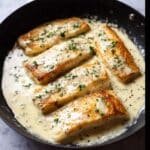
This classic French-style pan-seared white fish recipe features a luscious, silky white wine sauce made with a simple restaurant technique called monter au beurre, where cold cubes of butter are whisked into the sauce to create a glossy finish. Perfectly golden pan-fried fish fillets are served with a creamy sauce enriched with shallots, white wine, cream, and a hint of lemon and vinegar, delivering elegant flavors ideal for a special yet easy-to-make meal.
- Prep Time: 5 minutes
- Cook Time: 12 minutes
- Total Time: 17 minutes
- Yield: 4 servings
- Category: Main Course
- Method: Stovetop
- Cuisine: French-Western
Ingredients
Pan Seared Fish:
- 4 x 150g / 5oz white fish fillets, skinless, boneless (e.g., snapper)
- 1/2 tsp salt
- 1/4 tsp pepper
- 2 tbsp extra virgin olive oil
White Wine Sauce:
- 1 eschalot, small, finely chopped (~1 1/2 tbsp)
- 1 1/4 cups white wine, dry (such as Chardonnay)
- 1 tsp lemon juice (or substitute white wine vinegar)
- 1 tsp white wine vinegar (or substitute additional lemon juice)
- 1/8 tsp salt
- 1 pinch pepper
- 1 pinch white sugar
- 1 cup thickened/heavy cream
- 30g / 2 tbsp unsalted butter, cold, cut into 1cm / 1/3″ cubes
Garnish (optional):
- 2 tsp finely chopped parsley or chives
Instructions
- Preheat Oven and Prepare Fish: Preheat your oven to 50°C (120°F) and place a rack over a tray to keep the fish warm after cooking. Season both sides of the white fish fillets evenly with salt and pepper.
- Pan Sear the Fish: Heat 2 tablespoons of extra virgin olive oil in a large non-stick skillet over medium-high heat. Cook the fish fillets in two batches, searing each side for about 2 minutes until golden brown and the internal temperature reaches 55°C (131°F). Avoid overcrowding the pan to ensure an even sear.
- Keep Fish Warm: Transfer the cooked fish fillets onto the prepared rack in the oven to keep warm while you prepare the sauce.
- Remove Excess Oil: Pour out any excess oil from the skillet but do not wipe the pan clean; the fond left in the pan adds flavor to the sauce.
- Sauté Shallots and Reduce Wine: Add finely chopped eschalot, white wine, lemon juice, white wine vinegar, salt, pepper, and a pinch of sugar to the skillet. Bring the mixture to a simmer over medium-high heat and reduce it by half, which should take about 3 minutes. This concentrates the flavors.
- Add Cream and Simmer: Pour in the heavy cream, then reduce the heat slightly and simmer the sauce gently for 2 minutes until it thickens slightly.
- Finish Sauce with Butter: Lower the heat to low and add the cold butter cubes one at a time, stirring continuously with a wooden spoon. This technique, monter au beurre, emulsifies the butter into the sauce, resulting in a thick, satiny, and glossy finish. Once all butter has been incorporated, the sauce is ready.
- Optional Strain: For a smooth sauce, strain it through a sieve to remove the shallots, then return the sauce to the pan.
- Combine Fish with Sauce: Carefully place the fish fillets back into the skillet with the sauce. Spoon some sauce over the fish and let it warm together for about 30 seconds to meld flavors.
- Serve: Transfer the fish onto serving plates, spoon the luscious white wine sauce generously over the top, and sprinkle with freshly chopped parsley or chives if desired. This pairs beautifully with pea puree or steamed vegetables for a vibrant presentation.
Notes
- Fish Choice: Ideal for white fish fillets suitable for pan frying like snapper, cod, or sole. Suitable for salmon and trout too. Avoid fish that dry out easily like swordfish, tuna, bonito, or oily fish with strong flavors such as sardines or mackerel.
- Eschalots: Also called shallots in the US, these have a mild, sweet onion flavor. Do not confuse with green onions (scallions).
- Wine: Use a dry white wine such as Chardonnay, but avoid sweet or woody varieties. For a non-alcoholic option, substitute low sodium chicken stock.
- Cooking Time: Cooking times vary based on fillet thickness; thicker pieces may require finishing in a moderate oven to reach the correct internal temperature.